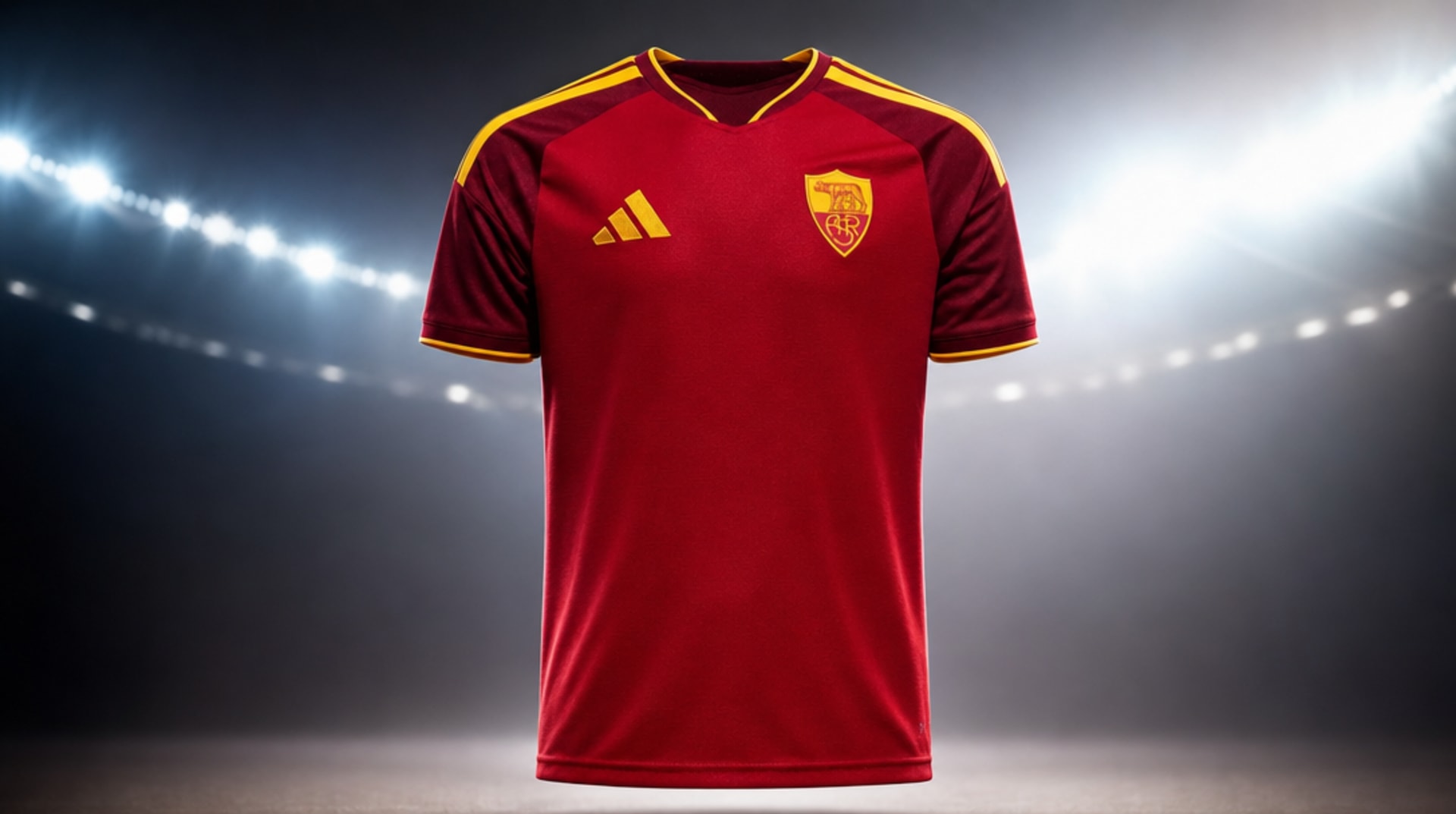




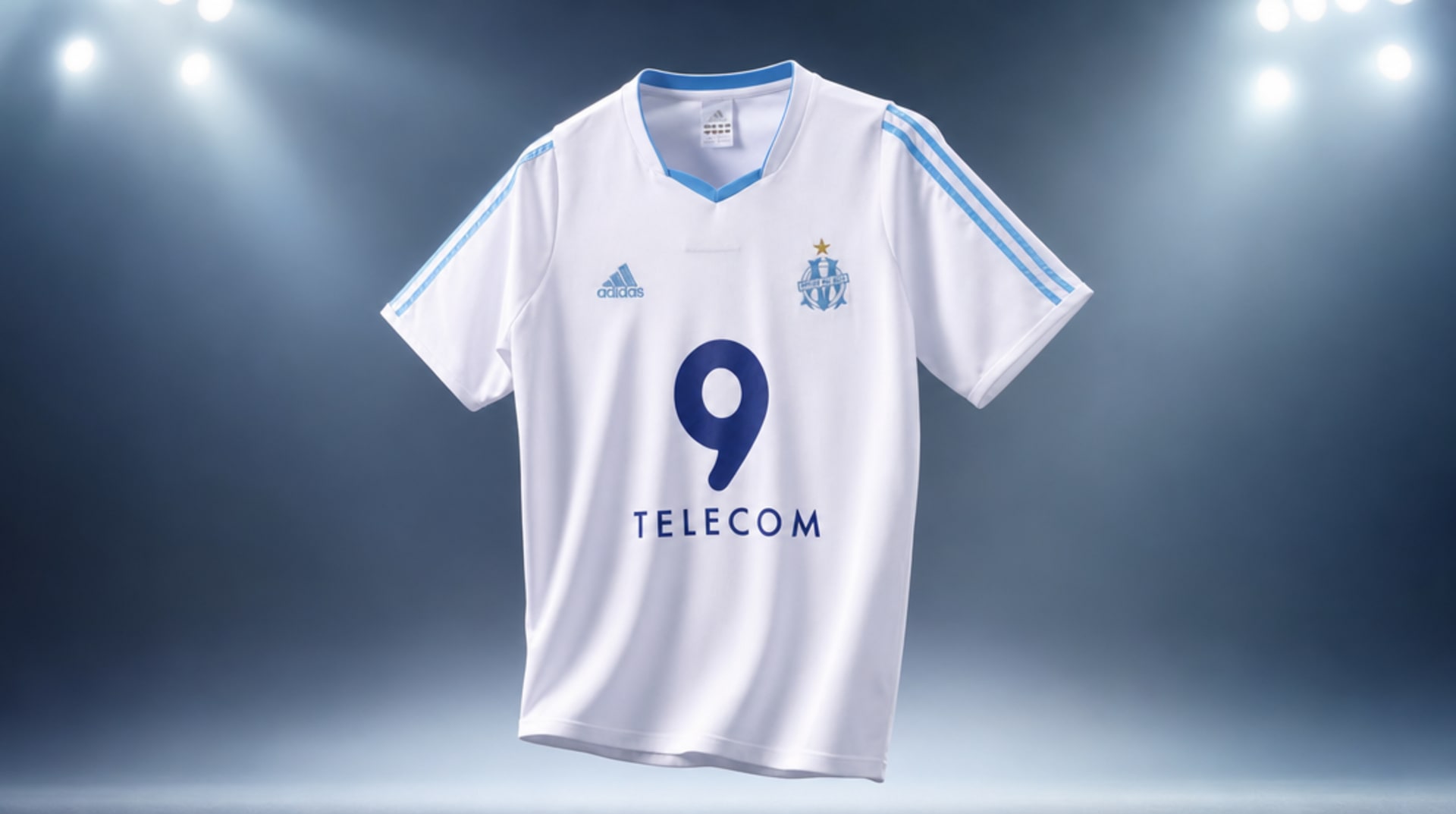
There are four ways to buy a retro football shirt, and they are not selling the same thing at all. An official club reissue costs €80-120 and comes in a limited run. A retro replica sits around €35-45. A genuine period shirt on the collector market runs from €40 for a common season to several hundred for a famous one in good condition. Charity shops cost almost nothing but almost never have the exact shirt you want. The real trap is not the price: it is that modern replicas are routinely resold as period pieces. Here is how to pick your channel and recognise what you are buying.
The four channels of the retro market
| Channel | Price | Main risk | Best for |
|---|---|---|---|
| Official club reissue | €80-120 | Limited run, sells out fast | Wants the licence and accuracy |
| Retro replica online | €35-45 | Quality varies by site | Wants to wear it, not collect |
| Period shirt (collectors) | €40-400+ | Fakes sold as originals | Collects, looks for value |
| Charity shop, car boot sale | €5-30 | Pure chance on the model | Enjoys the hunt, no fixed target |
Reissue or period shirt: not the same object
A reissue is made today from an old design. A period shirt was produced in its own season and has aged. The first can be worn without a second thought, the second gains value. The distinction is covered in our article on reissue versus vintage.
To be clear about what we sell: our retro shirts are replicas, made today, with no official licence. They exist to wear the colours of a memorable season, not to build an investment.
Spotting a fake sold as an original
This is the real risk of the retro market, and an expensive one because it targets the priciest items. Four checks before you buy:
- The composition label — a 1990s shirt carries a sewn label with the wording of its time. A label printed straight onto the fabric is a modern marker.
- Seams and collar — bonded finishes did not exist. A period shirt has visible stitching.
- Sponsor and cut — check the sponsor actually matches the season advertised. It is the most common mistake on fakes, and the easiest to verify.
- Wear — thirty years leave marks. A shirt listed as "1994, as new" at €45 deserves extra photos before payment.
Sizing: the trap everyone forgets
1980s and 1990s cuts were considerably boxier than today. A period M is often a modern L, sometimes more. Recent reissues, on the other hand, follow current slimmer cuts. Never trust the letter alone: ask for the flat chest width and compare it with our sizing guide.
Which channel for you
- You want to wear a famous season's shirt — a retro replica: the price lets you actually wear it.
- You are building a collection — the period shirt, bought from a seller who documents condition and provenance, never from a listing without detailed photos.
- You are buying a gift — the official reissue if the budget allows, otherwise a replica with the period player's printing, which often lands better than the shirt itself.
- You are looking for ideas — our pick of the best retro shirts of all time and the website comparison.
Our retro collection
Reissues of memorable seasons, sizes S to XXL, optional printing.
See the retro shirts