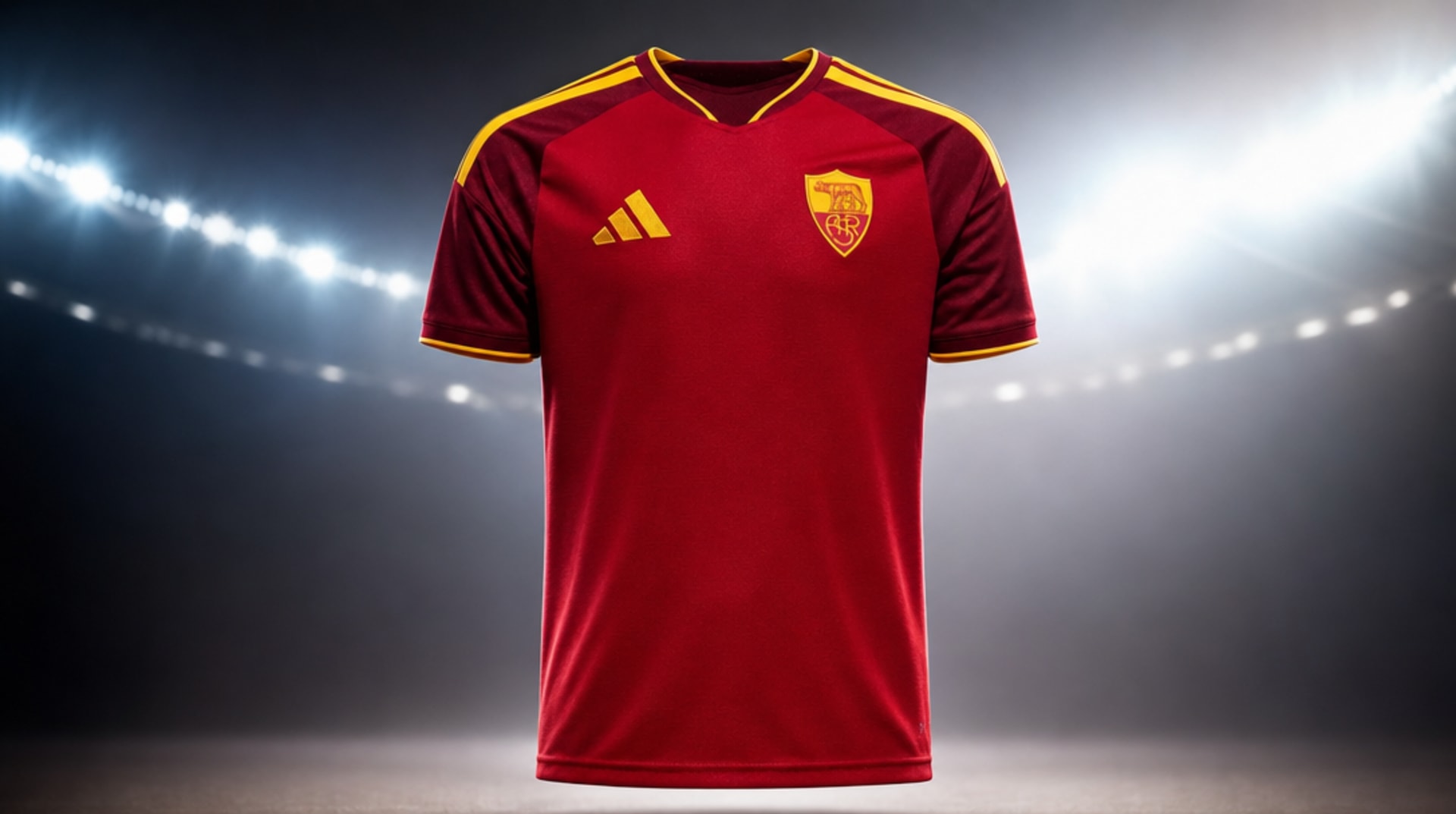





A retro shirt sold new today is almost always a reissue: modern manufacturing of an old design. A vintage shirt was made in its own era and has been worn. The two look alike in photos, rarely cost the same, and are not bought in the same places.
What is the difference between a reissue and a vintage shirt?
A reissue is new: current sizing, modern fabric, stock on the shelf, many identical copies. A vintage shirt is second-hand, unique in its condition, and sized by the conventions of its time — usually boxier and shorter in the sleeve than a modern equivalent. One is ordered, the other is hunted down.
How to recognise a period shirt
- The neck label — kit makers have redrawn their logos several times. A current-looking label on a nineties design gives away a reissue.
- The fabric — nineties polyester is thicker and shinier than today's breathable knits.
- The sponsor — many period shirts carry a brand that no longer exists, which reissues sometimes reproduce and sometimes drop for rights reasons.
- Wear — a genuinely worn shirt shows it: a slightly slack collar, cracked printing, colours softened by washing.
- Price — a sought-after period shirt in good condition trades well above a new reissue of the same design.
How much does a vintage football shirt cost?
There is no set rate: vintage is a collectors' market, where price depends on the model, the year, the size and the condition. A common shirt from a mid-table club goes for a few tens of euros. A sought-after piece — a final, a title-winning season, a cult sponsor — comfortably passes a hundred, and match-worn examples can reach several hundred.
Why a reissue is often the right choice
If you want to wear the shirt rather than frame it, the reissue wins: sizing matches current standards, condition is new, and price does not depend on scarcity. What you give up is collector value and the history of the object itself. It is a trade-off between the item and the memory, not a question of quality.
The pitfalls of buying from private sellers
The main risk is not counterfeiting, it is the description: a reissue presented as a period piece, a size given without measurements, a flaw left just outside the frame. Always ask for a close-up of the neck label, flat measurements, and a close photo of the printing.
Browse retro shirts
Reissues in adult sizes S to XXXL, in stock. Free shipping from €50.